Supporting community wellness through intergenerational connection.
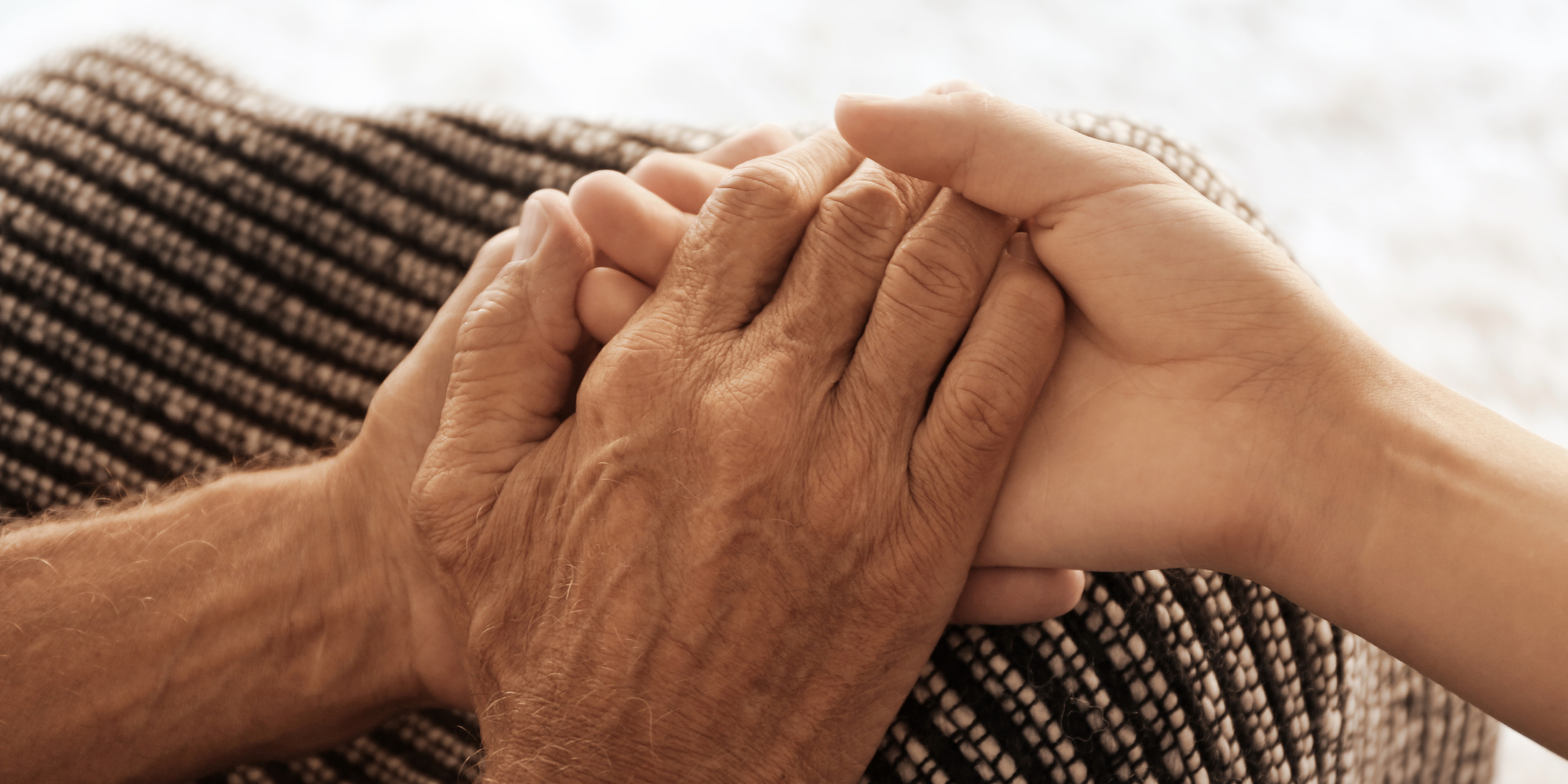
Along Pito One’s Hīkoikoi Reserve drift the sounds of 80s hits. Inside Ahu Whenua Trust’s Executive Offices, a group of kaumātua sing along, tapping their feet and giggling while following the instruction of the trainer at the front of the room. Together, they’re working on their balance, stretching, improving their mobility and flexibility and, most importantly, connecting as a group.
Although today’s session is focused on wellness and fall prevention, they also cover topics such as IT literacy, te reo Māori and music. Run by Ngahuru Charitable Trust (which sits under Ahu Whenua Trust), this programme aims to directly support the health and wellbeing of kaumātua while revitalising te reo Māori, combatting loneliness and connecting them to their whakapapa (lineage).
This cultural connection is a cornerstone for community wellness, says Kaihautū Rautaki Māori | Māori Strategy Advisor Matiu Jennings. “It helps people understand who they are, where they come from and how they belong in the world. For our kaumātua, it provides belonging, purpose, whanaungatanga (community connection) and intergenerational continuity. It is a space where they can feel respected, connected and Supporting community wellness through intergenerational connection 12 have purpose so, as a collective, our kaumātua can flourish together.”
“In the context of our indigenous community, we understand ‘community wellbeing’ through relationships – between people, between generations, between communities and whenua (land),” says Matiu. “If we are nurturing relationships, our communities will be well.”
Alongside hands-on sessions, Ngahuru Charitable Trust is also engaging kaumātua to create a digital archive, ensuring the connections and stories of the past can be shared with future generations. “We are responsible to the people that came before us,” says Matiu. “For us, it’s important to nurture those kōrero (stories) in a way that will echo for generations.”
In collaboration with The Tindall Foundation, Nīkau was delighted to support Ngahuru Charitable Trust’s kaumātua programme. “We know that connected communities are stronger communities,” says Nīkau Funding and Relationships Manager Lindy Young. “This programme is so foundational not only for kaumātua wellbeing but for their tamariki, mokopuna and the generations that will come after them.”
As the sounds of Madonna, Tina Turner and Whitney Houston fade, the room is filled with energised chatter, the clatter of filled plates and familiar shouts of “See you next week!” A well community indeed.
Fostering connection with taiao
Kimi Oranga is a whānau-focused kaupapa that brings whānau together to learn, practise, and share the sustainable ways of their mātua and tīpuna (elders) – practices that nurture both people and the taiao (environment). Through practical, whānau-led wānanga, whānau are reclaiming space for mātauranga Māori (Māori knowledge) in their homes and strengthening their connections to each other, their culture and the natural world around them. At the heart of Kimi Oranga is knowing that whānau learn best by doing together. In the taiao, whānau gather in ways that protect and respect its mauri (life force).
They share and strengthen tikanga (appropriate and respectful practice), behaviours and knowledge connected to producing, harvesting, hunting, gathering and preparing kai. Kimi Oranga creates opportunities for these practices to be experienced first-hand and passed on to the next generation. Observation, exploration, play and collective learning are all central to the kaupapa. The first Kimi Oranga cohort brings together whānau from Māoris peaking communities across the Wellington region. Together, whānau help shape and participate in a series of practical wānanga designed to build the skills and knowledge needed to engage confidently with both ngā uri a Tāne (descendants’ of Tane Ngā uri a Tangaroa) and ngā uri a Tangaroa (descendants’ of Tangaroa).
Over 6 weeks, whānau gather every Thursday evening at a local pool to build water confidence and develop specialist skills in preparation for engaging with ngā uri a Tangaroa. Sixty participants take part, including 20 tamariki aged between 1 and 12 and their parents, aunties, uncles and grandparents. Across the programme, tamariki and whānau move from pākiki (curious) to rika ki te ako (eager to learn) and then hīkaka ki te mahi (excited to do). Their confidence grows each week as they learn new skills and become increasingly comfortable in the water.
Funding, including that provided by Nīkau Foundation, removes barriers to participation by covering pool hire, entry fees, goggles, pool resources and kai. A whānau day at Titahi Bay, the first of many, brings together 60 tamariki, mātua and tīpuna to take part in takahanga tipuna, wai tai and mahinga kai activities. Funding helps resource these activities, ensuring whānau are able to fully participate.
Grounded in mātaiao, the activities encourage whānau to observe, learn from and connect with the taiao. Through kōrero tuku iho (history), participants explore the sun, clouds, wind, native trees, birds, insects, taonga species and water. Whānau gather kawakawa berries, collect pūpū as an introduction to wai tai and make popoihika using kawakawa berries, honey, and ginger. Time spent together observing, gathering kai, and exploring strengthens confidence, curiosity, and understanding of the taiao. The day deepens tamariki and whānau connection to place, people, and the natural world. Throughout the day, the progression from pākiki, to rika ki te ako, and then hīkaka ki te mahi is clearly visible.
Through Kimi Oranga, whānau are strengthening relationships with each other and with the taiao, reconnecting with the knowledge and practices of their tīpuna and building the confidence to carry these traditions forward within their own whānau and communities for generations to come.
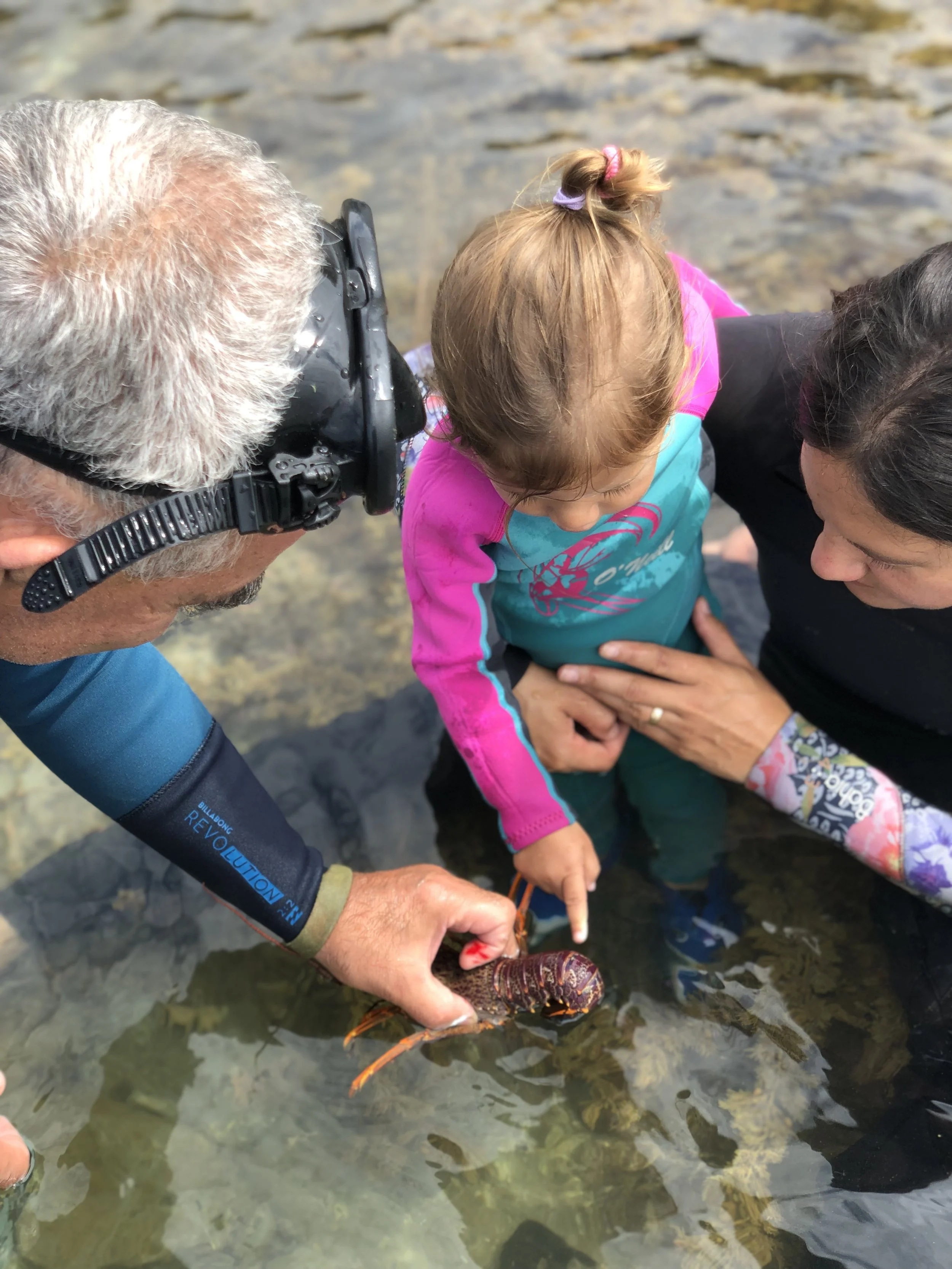
Image via Kimi Oranga.
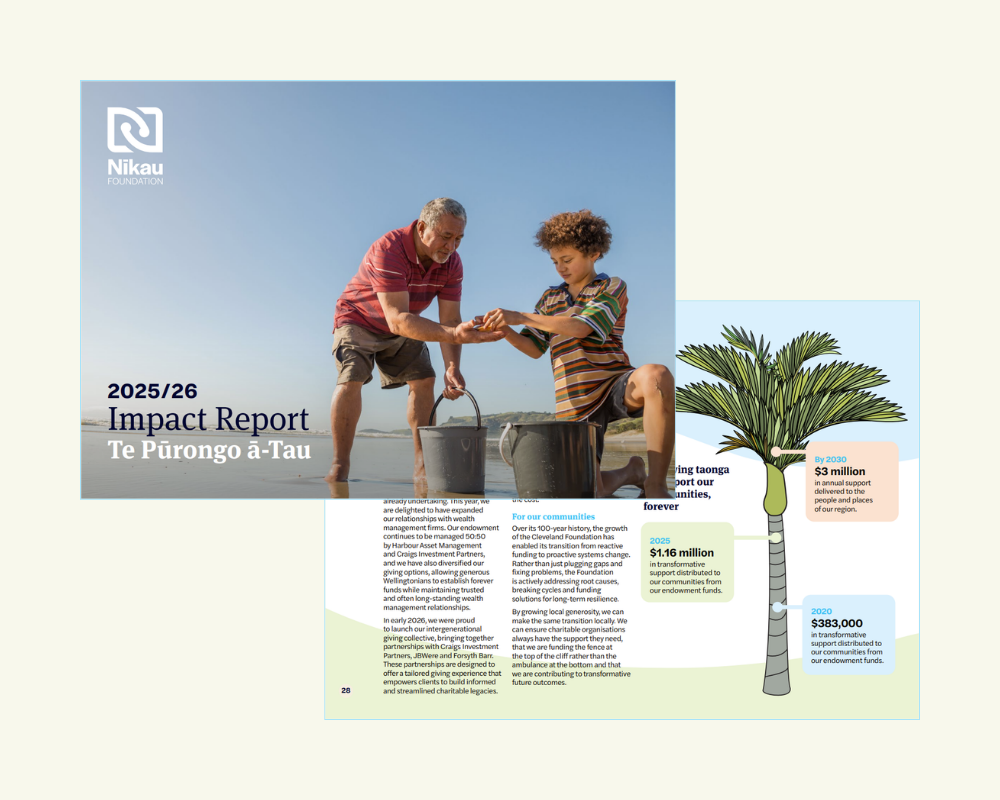
Download our 2025/26 Impact Report
This report, which covers the period from October 2024 - March 2026, features stories of grassroots action across our communities, organisations doing amazing mahi to support the people and places of our region and generous locals, who are leaving transformative legacies for the causes they love. To download, please click below.