

Wrap-around support for our region's most vulnerable.
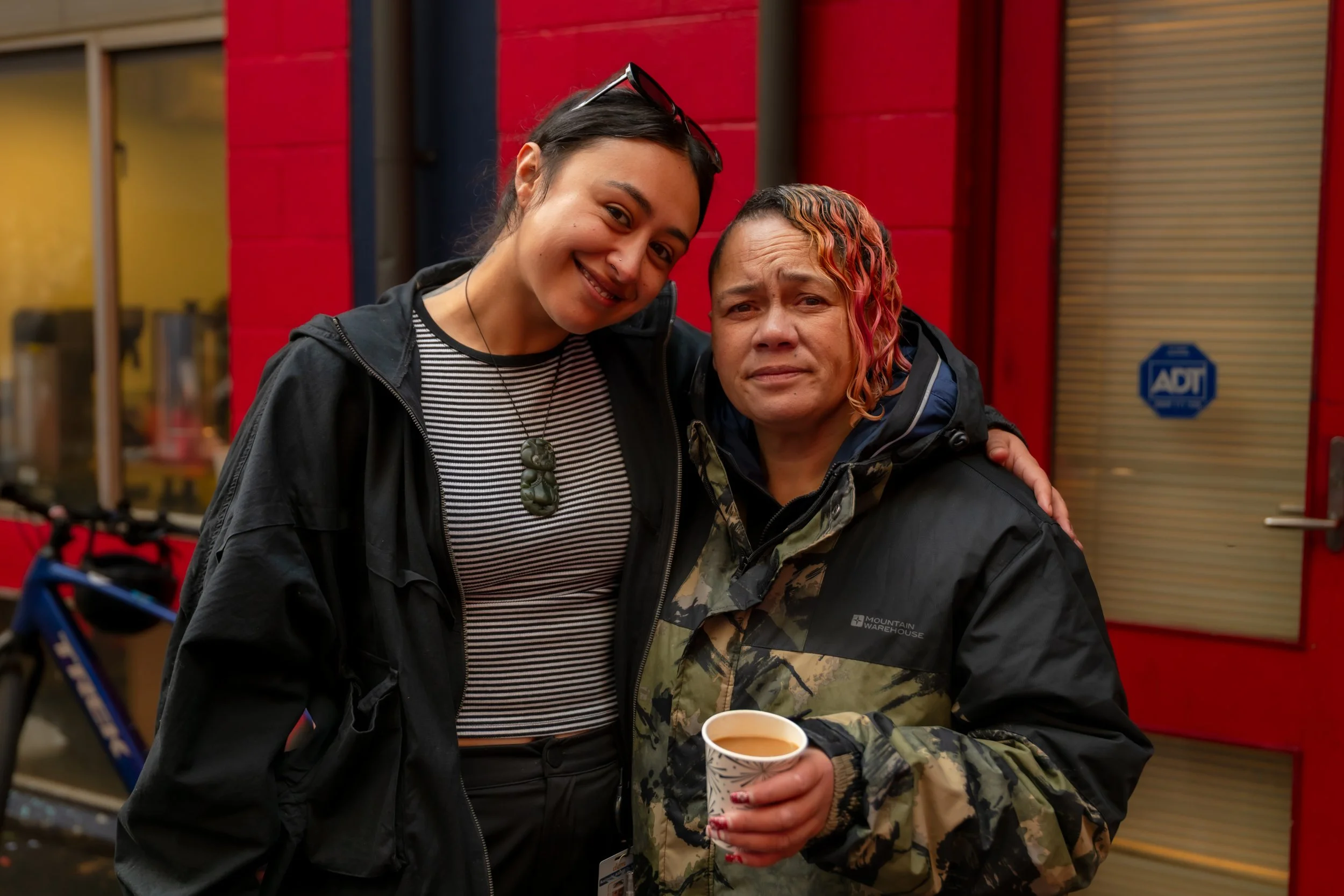
Image via Downtown Community Ministry. Image credit: Howiecreate 2025.
A man knocks on the door of the Upper Hutt Housing Trust (UHHT) seeking shelter, his belongings stashed in a supermarket trolley. It’s a common occurrence, with as many as 20 people a night sleeping rough in Upper Hutt. On Manners Street in Wellington’s CBD, Te Whare Nukunoa | Wellington Homeless Women’s Trust says an ever-increasing number of vulnerable wāhine are coming to them looking for a safe bed.
Homelessness is one of the most visible embodiments of the cost-of-living crisis. Sadly, the number of people affected is on the rise nationally, with organisations reporting far more people accessing their services. For Wellington’s Downtown Community Ministry (DCM), this has increased by 50% over the last 3 years. Sometimes the numbers don’t capture the full picture, says Ron Edmonds, UHHT Service and Delivery Manager. “The reality on the ground is a much bigger beast than what’s being officially recorded, and that’s not changed on the 10 years we’ve been operating.”
Te Whare Nukunoa Chief Executive Gill Hood agrees and says women make up about half of all people experiencing homelessness but that they’re not being counted. “Women’s homelessness is often hidden,” she says. “Many women are not sleeping on the street, usually for safety reasons. They are moving from couch to couch, staying in overcrowded homes or remaining in unsafe situations because they have nowhere else to go.”
The causes of housing insecurity are varied – high rents relative to income, a scarcity of affordable rentals and reduction in social housing stock are just some examples. The consequences are also vast – homelessness impacts education, employment, health and community connection. Children in unstable homes are more likely to experience poorer educational and health outcomes, and adults facing housing stress report higher levels of mental health challenges.
Addressing the underlying factors
Combating homelessness is not just about putting a roof over people’s heads. It is about targeting underlying contributing factors, says DCM Manahautū | General Manager Natalia Cleland. “The major barrier we see at DCM is access to permanent housing for people who have complex needs and addictions. But we know that people can’t even begin to address these things (even if they wanted to) while they’re homeless – particularly rough sleeping.” DCM is addressing these root causes through its mental health and harm reduction service Te Awatea.
The highest proportion of people DCM supports are Māori, so DCM has introduced a rongoā practitioner to help whānau reconnect to traditional Māori healing practices, made possible by a grant from Nīkau. “It has truly been a privilege and joy to see people connect with culturally appropriate therapy and to be nurtured,” says Natalia. “The impact of Nīkau funding for DCM has been to celebrate the success of these approaches, build the relationships with the providers and see whānau move along in their journey to address trauma and addiction.”
Te Whare Nukunoa is also delivering wrap-around support. “It’s not just a bed – many of these wāhine come to us with some degree of mental health or addiction issues, so we provide a registered social worker and a registered drug and alcohol practitioner to work with them,” says Gill. “The grant we received from Nīkau has been critical for us as it’s allowed us to provide that wraparound support – it’s really needed, given the high and complex needs these women are facing.” The impact is transformative. “You see them experience a bit of calm and start to stabilise,” says Gill. “They’re grateful that they have a safe space and a safe bed – it’s the foundation for everything else and means they can regroup and find a way forward.”
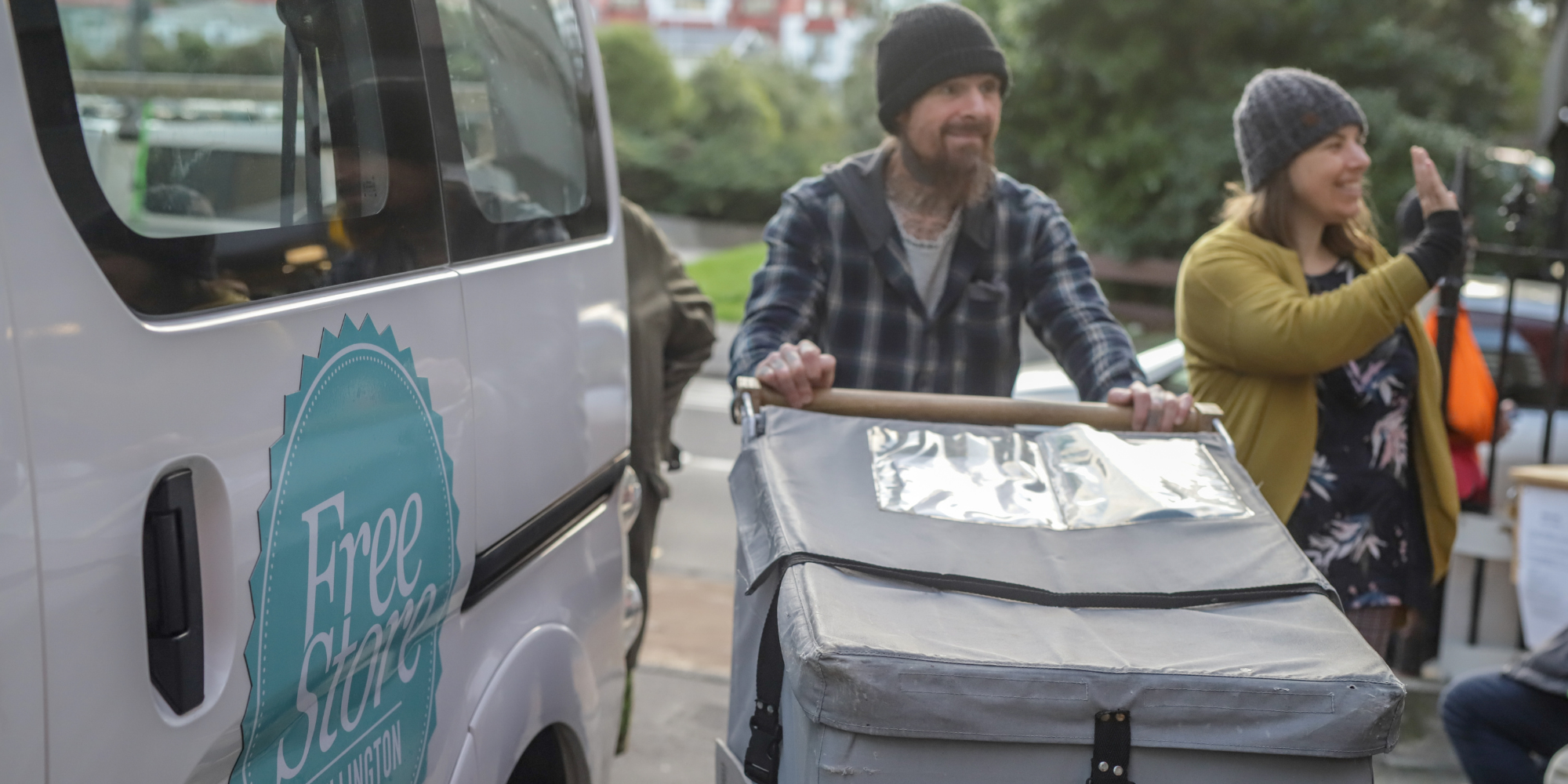
Image via The Free Store.
Grassroots solutions
A few years ago, Paekākāriki residents rallied to make sure a local family could stay in the place they called home after being priced out of their long-term rental property. This campaign was successful in keeping this precious whānau in their home and provided the foundations for a broader discussion on housing, the factors at play and possible local solutions. From this, the Paekākāriki Housing Trust was born. Co-chair Tina Pope says the trust are focused on researching sustainable land use, supporting the community to build additional 1–2 bedroom homes on their properties and managing rental properties for local landlords.
It also continues to explore innovative models for purchasing properties without capital through strategic partnerships. Acknowledging the nature and scale of the housing crisis, the Paekākāriki Housing Trust considered how it could respond to the needs of today while preparing for the future. “We want to make sure we are actively building our funding, so no matter the challenges that face Paekākāriki in future, we are poised to respond and support,” says Tina. “Through Nīkau’s Paekākāriki Housing Fund, we are building resilience and taking strategic steps to secure the next chapter.”
UHHT was formed in 2016 by a group of locals who were seeing a growing number of people struggling as social and affordable housing was being cut in the area. UHHT takes on long-term leases from supportive landlords, underwriting the rent whether the property is tenanted or not. UHHT provides pastoral care to a range of tenants, from individuals right through to large families needing emergency, transitional or long-term accommodation.
“We’re distributing around 20 food parcels a week for our cohort of tenants who are struggling with increased power bills and other expenses,” says Ron. “It’s not always easy as our own operating costs are very hand to mouth. We certainly couldn’t do what we do without support from funders like Nīkau.” With help from this funding, UHHT is completing the fit-out of its new hub – a space where organisations will come together to provide a onestop advocacy service. Ron says the positive feedback he and the team get from their tenants makes the work worthwhile. “We get a lot of hugs!”
Download our 2025/26 Impact Report
This report, which covers the period from October 2024 - March 2026, features stories of grassroots action across our communities, organisations doing amazing mahi to support the people and places of our region and generous locals, who are leaving transformative legacies for the causes they love. To download, please click below.